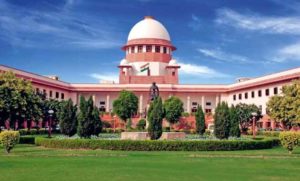
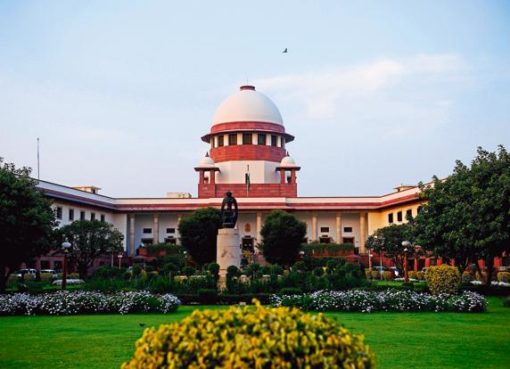
It is really very interesting to know about the vested power of the Supreme Court of India under Article 136 of the Indian Constitution. One can find the flood of cases in Supreme Court because of this Article only because many people get opportunity to file a case here.
The Supreme Court of India has been given extra ordinary jurisdiction under Article 136 of the Constitution. By virtue of this Article , the door of the Supreme Court may be knocked by all , aggrieved from any judgment, decree, determination, sentence or order in any case or matter, passed or made by any court or tribunal in the territory of India.
The principle that an appeal can lie only from a Judgment ,decree or final order is not applicable here as there is no limit. Even from interim orders, leave to appeal is permissible. It is interesting to know that under other Articles , appeals lie to the Supreme Court from the High Courts whereas there is no such restriction in Article 136 and appeals lie from any court or tribunal in the territory of India. The only restriction imposed is contained in sub-section (2) of the Article itself.
“Article 136. Special leave to appeal by the Supreme Court – (1) Notwithstanding anything in this Chapter , the Supreme Court may, in its discretion , grant special leave to appeal from any judgment, decree, determination, sentence or order in any cause or matter passed or made by any court or tribunal in the territory of India.
(2) Nothing in clause (1) shall apply to any judgment, determination, sentence or order passed or made by any court or tribunal constituted by or under any law relating to the Armed Forces.”
Supreme Court has many times defined the scope of its jurisdiction and laid down the proposition of law in its judgments. Though this Court is no longer bound by the principles laid down, it generally considers the cases to grant special leave where some clear departure from the requirements of justice is alleged to have taken place or some violation of the principles of natural justice or otherwise substantial and grave injustice has been done. In criminal appeal brought by special leave , the court is not concerned with formal rules, but only with the question whether there has been miscarriage of justice. To interfere with a criminal sentence there must be something which in the particular case deprives the accused of the substance of fair trial and the protection of law.
The whole intent and purpose of this Article is that it is the duty of this Court to see that injustice is not perpetrated or perpetuated by decisions of Courts and tribunals. It is however, necessary to point out here that Supreme Court was never intended to be a regular court of appeal against orders made by High Courts or the sessions courts or the magistrates.
We must know a very important fact that a legislative enactment can not override or take away powers of the Supreme Court under Article 136 of the Constitution. In some Acts such as Industrial Disputes Act, 1947, Representation of the People Act, 1951 etc., provision has been made that the order or decision of Tribunal would be final and conclusive. Special leave can be granted even in such cases also.
In L. Chandra Kumar Vs. UOI, 1997, Supreme Court held that the provisions of Article 136 form a part of the basic structure of the Constitution. So it may not be open for Legislature to take away the jurisdiction of the Supreme Court under Article 136 , even by a Constitutional amendment.
Never forget this point that the petition of appeal under Article 136 must not be against a purely executive or administrative order. The determination or order giving rise to the appeal should be a judicial or quasi-judicial decision.
Jurisdiction under Article 136 is of extraordinary nature and granting of leave is a purely discretionary power. While granting special leave, the Court generally relies upon the statement made by the petitioner in the special leave petition. Leave can be cancelled in case of suppression of material facts and misleading the court. A party is supposed to approach this court under Article 138 with clean hands.























Comment here